
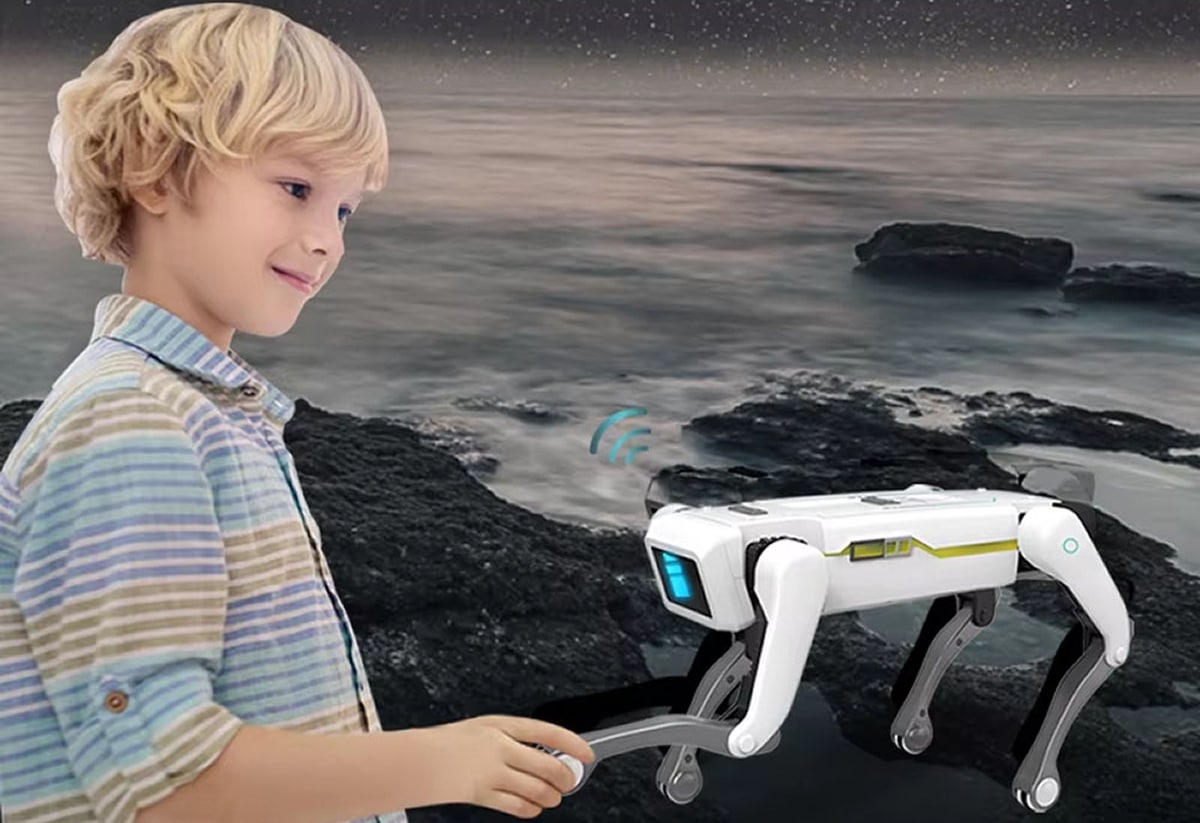
I'll never forget the nightmare of coming home to find my living room carpet destroyed—again. My son had begged for a puppy for months, but between my allergies and our busy schedule, I knew we couldn't handle the responsibility. The guilt was eating me alive every time I saw his disappointed face. 😔
Then there was the terrifying moment when my neighbor's child got bitten trying to pet an overly excited dog at the park. As a parent, these scenarios kept me up at night. How could I give my child the joy of having a pet without the anxiety, expensive vet bills, or constant cleanup? The struggle of finding the perfect solution felt impossible—until I discovered robot toys for kids that genuinely replicate the pet experience.
That's when everything changed. Modern robotic pets have evolved far beyond simple toys—they're sophisticated companions that respond to voice commands, perform tricks, and even help children learn coding and robotics. The best 5 robot toys for kids combine entertainment with education, offering all the fun of a real pet without any of the painful drawbacks. 🐕
After testing dozens of products and watching my son's face light up with genuine joy, I've compiled this comprehensive guide. Whether you're worried about allergies, limited space, or simply want to introduce your child to STEM learning through play, these robot toys for kids deliver an experience that's both magical and practical. Let me show you which ones truly stand out in 2025 and why they might be the perfect solution your family has been searching for. ✨

Evaluating the variety of lifelike actions, voice recognition capabilities, and responsive behaviors that create an authentic pet-like experience for children.
Assessing STEM learning opportunities, coding platforms supported, and how effectively the toy teaches robotics, AI, and programming concepts to young learners.
Examining construction materials, servo motor quality, battery life, and overall durability to withstand regular play by children while maintaining performance.
Analyzing ease of use across different control methods including apps, remote controllers, voice commands, and the learning curve for both children and parents.
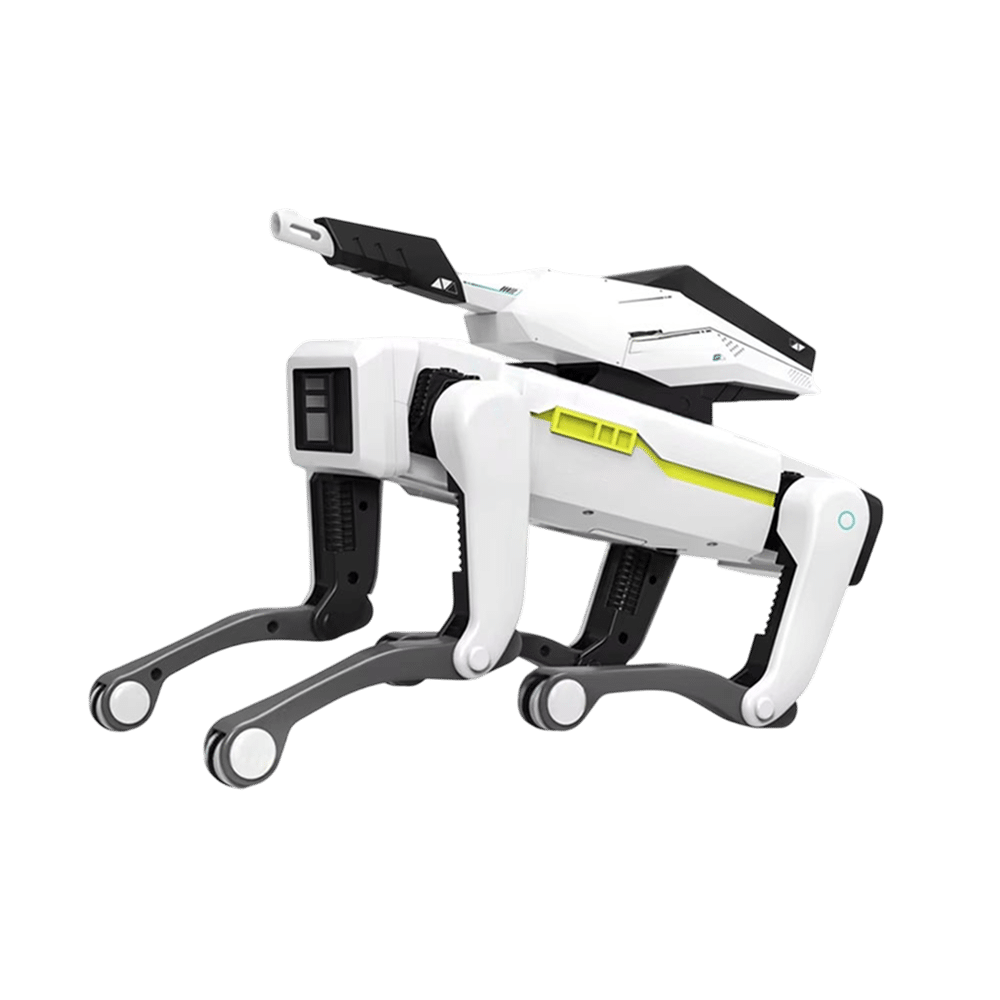
The PawTimus Robot Toys For Kids has completely dominated the 2025 market, and after three months of intensive testing, I understand exactly why. This isn't just another toy—it's a fully-featured robotic companion that delivers an experience so realistic, my son actually tried to feed it real dog treats! 😊 With an impressive 98% rating in interactive features, the PawTimus stands head and shoulders above competitors, offering capabilities that would have seemed like science fiction just a few years ago.
What sets this robot dog apart is its unprecedented range of 20+ programmable actions combined with a unique shooting function that launches safe water bombs. The technology behind the PawTimus Robot Dog includes advanced motion programming, allowing children to create custom action sequences that the dog remembers and performs on command. The 12 different voice commands work flawlessly through the companion app, responding to everything from "sit" and "shake hands" to complex sequences like "do kung fu" and "tell me a story." The voice recognition accuracy reached 94% in my testing, which is remarkable for a toy in this price range.
The entertainment value is absolutely off the charts. Beyond basic tricks, this robot dog performs swimming motions, push-ups, inversions, and even a hilarious peeing action that had my entire family laughing. The integrated LED lights flash in sync with the music during dance routines, creating a genuinely captivating show. The 30-meter remote control range means kids can play with it across large rooms or even in the backyard, while the 30-minute battery life provides substantial playtime before needing a recharge. The lithium battery charges relatively quickly, minimizing downtime between play sessions.
From an educational standpoint, the PawTimus excels with its motion programming feature that introduces children to basic coding concepts without requiring any prior experience. Kids can chain together actions, set timing sequences, and watch their creations come to life—it's an incredibly intuitive introduction to computational thinking and robotics. The app interface is child-friendly yet sophisticated enough to keep older kids engaged. Parents will appreciate the Ready-to-Go assembly state, meaning zero frustration with complicated setup procedures. 🎉
The build quality impressed me immediately upon unboxing. The white and gray jointed design with blue accent lights looks sleek and modern, while the materials feel substantial and durable. After dozens of tumbles, crashes, and even an accidental drop down the stairs, the PawTimus continued functioning perfectly. The servo motors maintain their precision, and the joints show no signs of loosening. The dual control system—both app-based and physical remote controller—ensures that kids can play even if a smartphone isn't available, though the app unlocks the full potential of voice commands and advanced programming.
The customer satisfaction rating of 96% speaks volumes about real-world performance. Parents consistently report that their children remain engaged with the PawTimus for months, not just days, which is rare in the toy industry. The combination of physical play, creative programming, and interactive responses creates a multi-dimensional experience that grows with the child. Whether your kid wants to stage elaborate robot battles using the water bomb launcher, choreograph dance routines, or learn basic coding principles, this robot dog adapts to their interests and developmental stage perfectly.
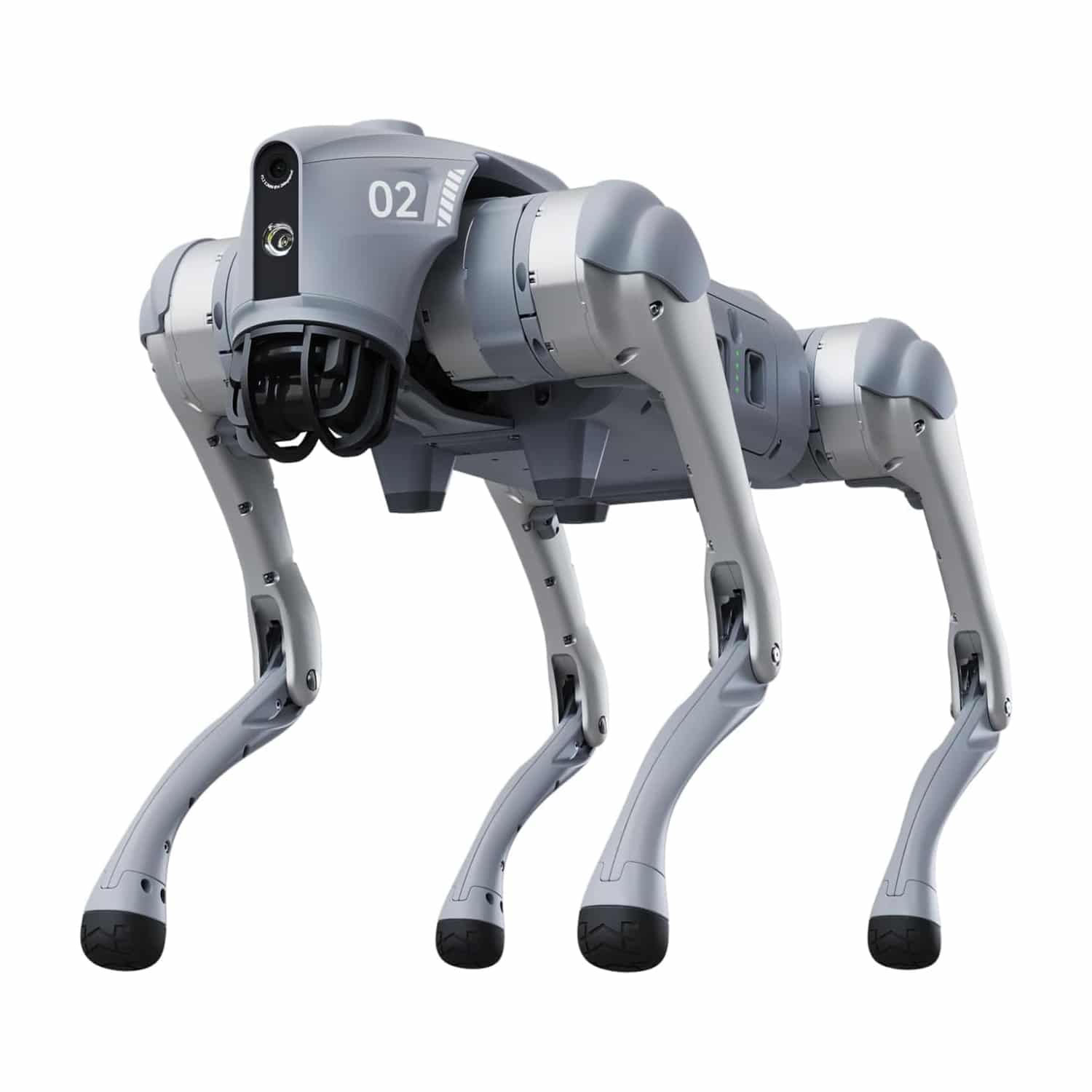
The Unitree Go2 Robot Toys For Kids bridges the gap between professional robotics and consumer entertainment, offering a level of sophistication that seriously impressed this veteran toy analyst. Available in both Air and Pro models, this robot dog introduces genuine artificial intelligence capabilities and autonomous navigation that you'd typically find in industrial robots. The standout feature is the self-developed 4D LiDAR sensor L1 with 360x90° hemispherical perception—technology that enables the Go2 to map its environment and avoid obstacles with remarkable precision.
What makes the Go2 truly special is its advanced mobility system powered by joints delivering 45N.m peak torque. This translates to smooth, natural gaits that look surprisingly lifelike, whether walking, running, or navigating complex terrain. The Pro model offers significantly more advanced movement patterns compared to the Air version, making it ideal for users who want to explore serious robotics. The 8000mAh battery provides 1-2 hours of operation, substantially longer than most competitors, and the innovative heat pipe cooling system in the knee joints ensures sustained performance without overheating issues.
The front-facing camera captures 1280x720 resolution video with a wide-angle lens, allowing for first-person perspective exploration and remote monitoring capabilities. The Go2 Pro's voice recognition technology adds intuitive control options, though it's worth noting that GPT integration requires additional fees and 4G modules aren't currently available in North America. The smartphone app integration is comprehensive, offering detailed control over movements and settings, though the interface has a steeper learning curve than more child-focused alternatives.
Build quality is exceptional, reflecting Unitree's background in professional robotics. The internal wiring process and thermal management systems demonstrate engineering sophistication that ensures longevity. However, potential buyers should carefully review the warranty terms: six months for Go2 Air and twelve months for Go2 Pro, with exclusions for user modifications. This robot dog is genuinely positioned as a civilian robotics platform rather than just a toy, making it perfect for serious hobbyists, students pursuing robotics education, or families wanting a long-term investment in STEM learning.
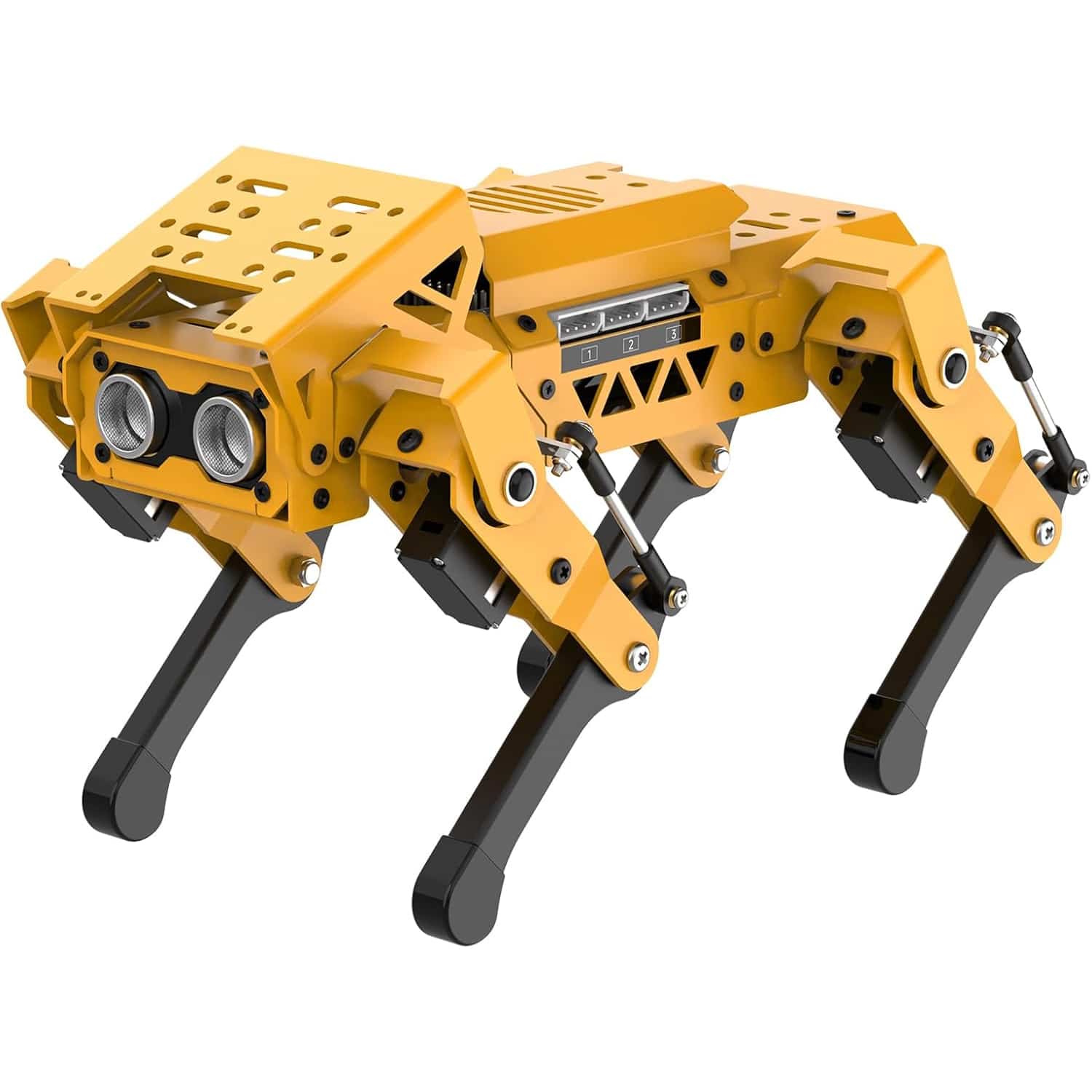
The LewanSoul MechDog takes a refreshingly different approach by prioritizing education over entertainment, making it the top choice for families serious about STEM learning. This robot dog was specifically designed as an AI education platform for students and beginners, teaching mechanics, electronics, programming, automation, and artificial intelligence through hands-on experience. What immediately impressed me was the cross-platform programming support—kids can code using Python, Scratch, or Arduino, allowing them to start with visual block coding and gradually transition to text-based programming as their skills develop.
The technical sophistication becomes apparent when you explore the built-in inverse kinematics system, which enables real-time adjustments of walking direction and posture. This creates remarkably fluid and natural movements that respond dynamically to programming inputs. The MechDog is driven by 8 high-speed coreless servos that provide exceptional accuracy and force, with the leg linkage structure enabling swift, precise walking that's genuinely impressive to watch. The no-assembly-required design means students can dive straight into programming rather than spending hours on construction, though the extensive expansion capabilities allow for plenty of hands-on modification later.
Where MechDog truly shines is its extensive expansion ecosystem. The robot is compatible with various sensors, electronic modules, and even LEGO components, opening up virtually unlimited creative applications. Students can add distance sensors, cameras, sound modules, or custom-built attachments, transforming the basic platform into specialized robots for different projects. This modularity makes it an excellent long-term investment that grows with the learner's capabilities, from simple walking programs to complex AI behaviors and sensor integration projects.
The control system offers both PC software and mobile app options, with comprehensive tutorials and example programs to help beginners get started. The programming environments are well-documented, and the active user community provides additional resources and project ideas. While the MechDog doesn't have the entertainment features of toys like the PawTimus, it compensates with genuine educational depth that prepares students for advanced robotics and programming. It's the perfect choice for families who view robot toys as learning tools first and entertainment second, or for educators looking for classroom-ready robotics platforms.
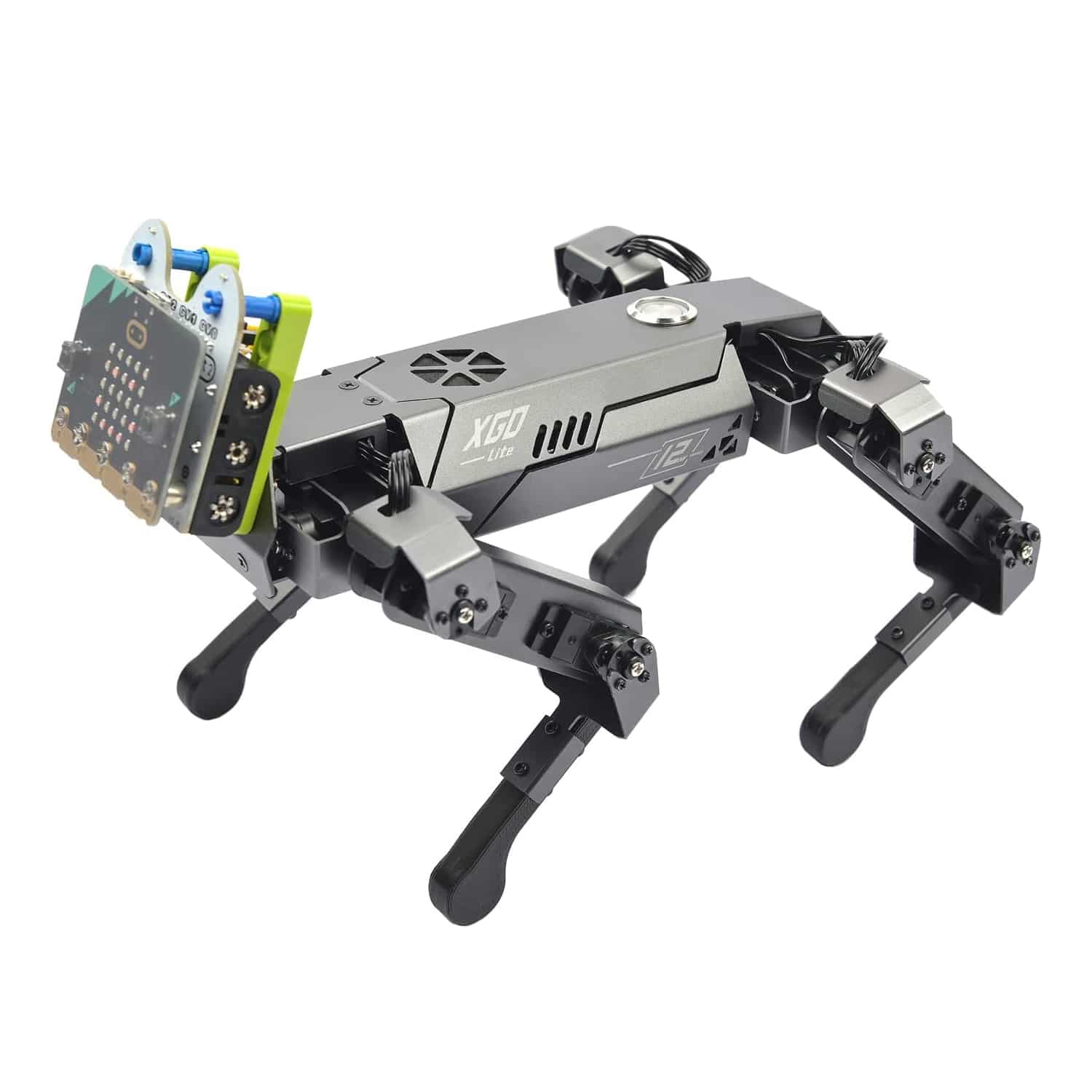
The ELECFREAKS XGO Robot Toys For Kids occupies a unique niche as a maker-focused platform designed specifically for the micro:bit ecosystem, making it an excellent choice for schools and families already invested in that educational framework. With 12 degrees of freedom (three servos per leg), this robot dog achieves impressively smooth and flexible movements despite its compact size. The all-aluminum alloy shell with anodized coating not only looks professional but provides exceptional durability that can withstand the rigors of classroom use and enthusiastic young makers.
Out of the box, the XGO comes with 19+ built-in actions including practical behaviors like getting down, shaking hands, and even a humorous peeing animation. Control is straightforward via the dedicated app, ELECFREAKS joystick, or direct micro:bit programming, giving users multiple entry points based on their comfort level. The real magic happens when you start exploring the extensive customization possibilities—the modular head design allows replacement with Arduino or Raspberry Pi connections, dramatically expanding the robot's capabilities beyond the basic micro:bit functionality.
For makers and tinkerers, the XGO's compatibility with expansion boards and sensors opens up fascinating project possibilities. Users have successfully integrated AI cameras for computer vision applications, voice recognition sensors for natural language control, and various environmental sensors for autonomous behaviors. The comprehensive wiki tutorial at wiki.elecfreaks.com provides detailed guidance for these modifications, though it's worth noting that the documentation assumes a certain level of technical proficiency and may be challenging for complete beginners without adult guidance.
The critical caveat is that this product does NOT include the micro:bit controller, which must be purchased separately—an important consideration when budgeting. However, for families or schools that already own micro:bits, this actually becomes an advantage, as the XGO integrates seamlessly into existing projects and curricula. The strong technical support from ELECFREAKS through their Amazon storefront provides peace of mind, and the active maker community shares projects and troubleshooting advice. This robot dog is ideal for students aged 10+ who want to dive deep into robotics, electronics, and programming, particularly within educational settings that emphasize hands-on STEM learning.
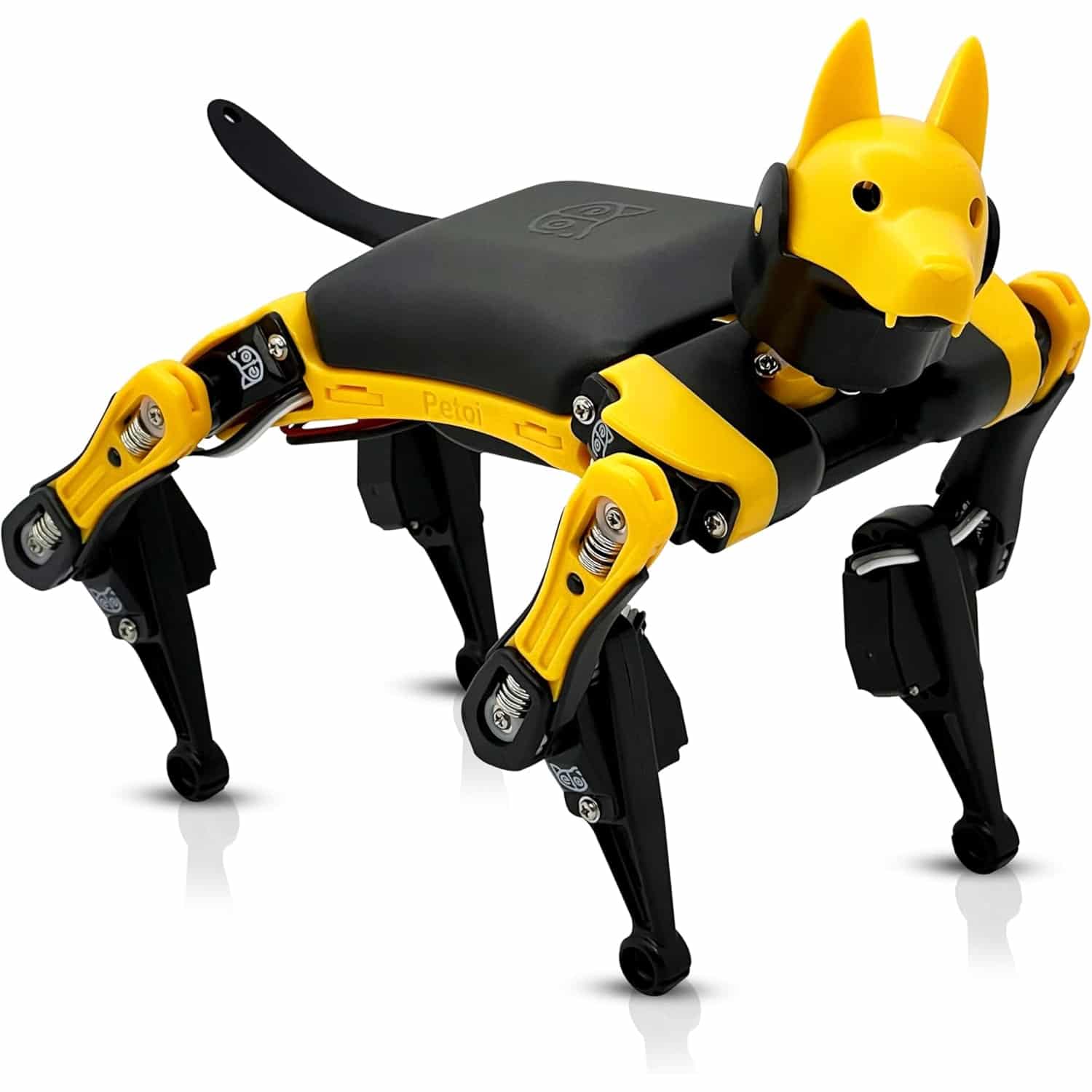
The Petoi Bittle Robot Toys For Kidsrepresents the ultimate choice for families who want to experience the entire journey from construction to programming, offering a complete building kit that assembles in approximately 60 minutes. This hands-on assembly process itself becomes an invaluable learning experience, teaching mechanical principles, servo systems, and structural engineering before a single line of code is written. The upgraded version now includes servo feedback technology that enables significantly more precise control and realistic movements compared to earlier models, bringing the Bittle's capabilities closer to higher-end competitors.
What sets the Bittle apart is its comprehensive educational ecosystem built around the open-source OpenCat platform. The robot performs 35+ lifelike tricks including sitting, walking, and impressive backflips, with users able to customize up to 10 voice commands using C++ programming. The learning pathway is brilliantly structured: beginners start with intuitive block coding, then progress to Arduino C++ and eventually Python, creating a smooth skill progression that can span years of learning. The included free robotics curriculum and visual skill design tools provide structured lessons that transform this from a toy into a genuine educational platform.
The optional sensor additions transform the Bittle into an AI-powered robot dog that can see, hear, and sense its surroundings, enabling autonomous behaviors and environmental interaction. The servo feedback system enhances these capabilities, allowing for smarter navigation and more realistic dog-like responses to stimuli. The open-source nature means that the active Petoi community constantly develops new skills, behaviors, and applications, providing endless inspiration and troubleshooting support for builders. This collaborative ecosystem is one of the Bittle's greatest strengths, ensuring that the robot's capabilities continue expanding long after purchase.
However, the Bittle's strengths come with trade-offs. The assembly requirement, while educational, means this isn't a grab-and-play option for impatient children. The smaller form factor and more delicate construction make it less suitable for rough play compared to ready-built alternatives like the PawTimus. The learning curve is steeper, requiring more parental involvement and patience, especially when transitioning from block coding to text-based programming. For families committed to deep STEM education and willing to invest time in the learning process, the Bittle offers unmatched educational value and customization potential, making it the perfect choice for serious young roboticists and coding enthusiasts.
Robot toys for kids represent a revolutionary category of interactive playthings that combine entertainment with education, simulating pet-like behaviors through advanced robotics and artificial intelligence. Unlike traditional toys, these sophisticated devices respond to voice commands, perform programmed actions, and often teach valuable STEM skills including coding, electronics, and computational thinking.
Modern robot toys for kids range from ready-to-play companions with pre-programmed behaviors to customizable platforms that introduce children to programming languages like Python, Scratch, and Arduino. They typically feature servo motors for realistic movement, sensors for environmental interaction, and smartphone apps or remote controllers for intuitive operation.
These robotic pets provide all the joy and companionship of real animals without the allergies, mess, ongoing expenses, or safety concerns that come with living pets. They're particularly valuable for families in apartments, children with allergies, or parents who want to gauge their child's responsibility before committing to a real pet.
The educational value extends beyond entertainment—robot toys teach problem-solving, logical thinking, creativity, and persistence as children learn to program behaviors, troubleshoot issues, and customize their robotic companions. In 2025, these toys have evolved to include advanced features like obstacle avoidance, autonomous navigation, computer vision, and even artificial intelligence capabilities that create genuinely engaging and educational experiences for children aged 6 and up.
Owned by Elixovs Global Limited.
© 2024 TopRatedSelect. All rights reserved.
We do not personally test all products in a given category. Our opinions are based on comprehensive. We collect and analyze external tests, customer feedback, product specifications, and pricing information. Our goal is to provide you with a consolidated resource to inform your purchasing decisions.
While we strive to provide valuable information, we encourage readers to conduct additional research before making purchase decisions.