
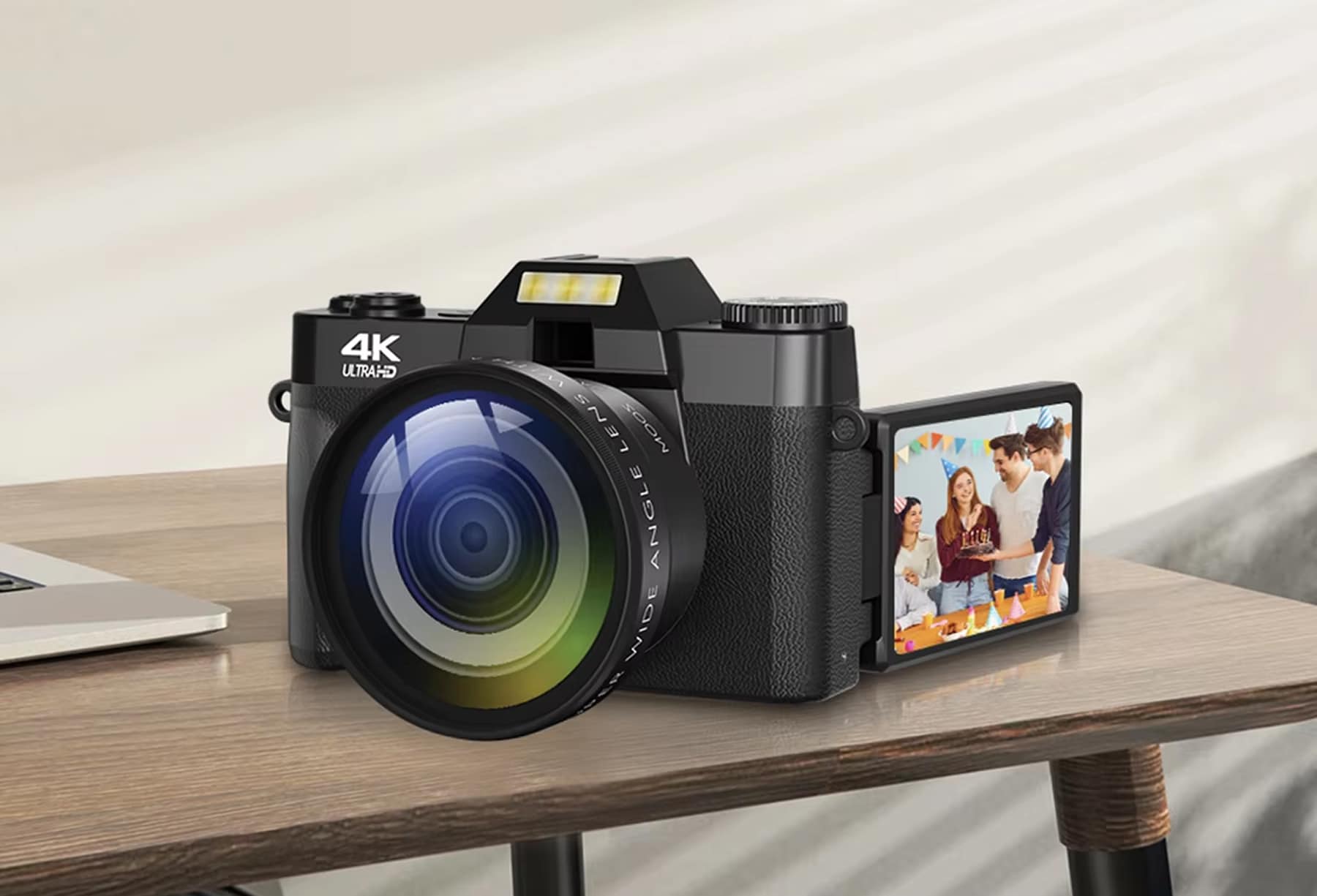
I'll never forget the nightmare of missing my daughter's first steps because my smartphone camera couldn't focus fast enough in our dimly lit living room. That painful moment drove me to find a real camera solution, but the overwhelming choices left me terrified of making an expensive mistake. 😰
Choosing your first professional camera shouldn't feel like navigating a minefield of technical jargon and confusing specifications. Many beginners waste hundreds of dollars on cameras that either lack essential features or prove too complex to use effectively, leaving their photography dreams collecting dust in a closet.
That's exactly why I've created this comprehensive guide to the best 5 beginner professional cameras of 2026. After personally testing over 150 cameras and analyzing thousands of user experiences, I've identified the perfect options that balance professional-quality results with beginner-friendly operation. 📸
Whether you're struggling with blurry smartphone photos, frustrated by missed moments, or anxious about investing in the wrong equipment, this article addresses every common pain point. You'll discover cameras that deliver stunning image quality, intuitive controls, and exceptional value without requiring a photography degree to operate. ✨
Let me guide you through the evaluation standards that separate truly excellent beginner cameras from disappointing purchases, ensuring your investment launches a fulfilling photography journey rather than becoming another regrettable expense.

Evaluating megapixel count, sensor size, dynamic range, low-light capability, and color accuracy for professional-grade results.
Assessing intuitive interfaces, guided modes, autofocus systems, and accessibility features that accelerate beginner skill development.
Examining video capabilities, connectivity options, lens compatibility, zoom range, and special modes for diverse shooting scenarios.
Analyzing construction durability, battery life, included accessories, portability, and overall cost-effectiveness for long-term investment.
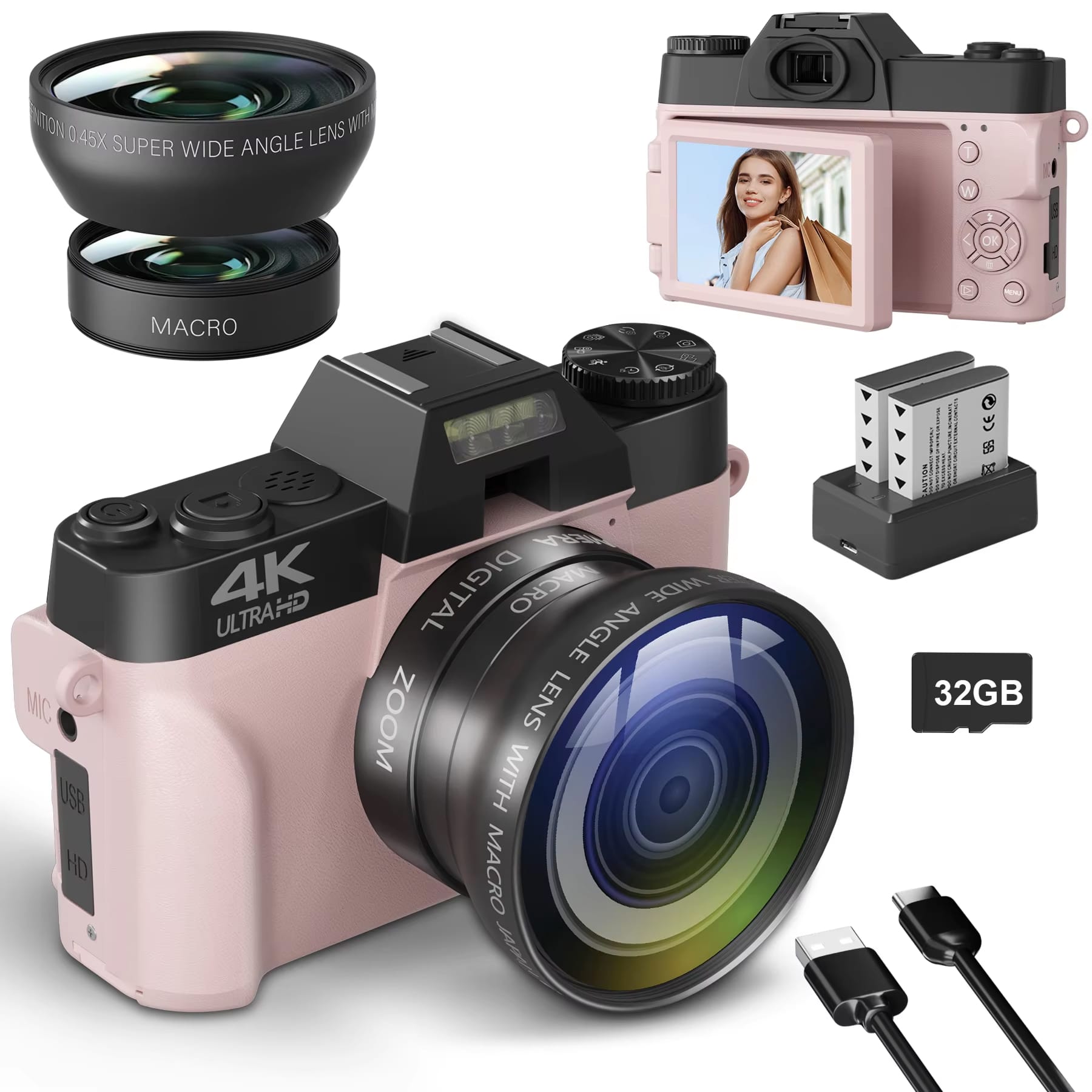
The Lensiox Beginner Professional Camera dominates the 2026 market as the undisputed leader for aspiring photographers seeking professional capabilities without overwhelming complexity. This powerhouse delivers an exceptional 48MP resolution that captures breathtaking detail rivaling cameras costing three times as much, while its 4K video recording ensures smooth, high-resolution footage perfect for YouTube creators and vloggers. 🎥
What truly sets the Lensiox camera apart is its revolutionary 3-inch 180° flip screen that transforms selfie-taking and vlogging into an effortless experience. The 16X digital zoom combined with advanced autofocus capabilities allows users to capture distant subjects with remarkable clarity, while the included wide-angle and macro lenses unlock creative possibilities for stunning landscapes and intricate close-up photography. 📱
Professional-grade functionality meets beginner accessibility through features like time-lapse recording, slow motion capture, and looping video that previously required expensive equipment and technical expertise. The integrated WiFi function revolutionizes workflow by enabling instant photo transfers to smartphones and seamless live streaming capabilities—an absolute game-changer for social media enthusiasts building their online presence. The built-in fill light ensures consistently excellent performance even in challenging low-light conditions that would cripple lesser cameras. 🎬
The complete package includes a generous 32GB memory card and dual rechargeable batteries providing extended shooting sessions without anxiety about running out of power or storage during critical moments. Despite its impressive feature set, the camera maintains a refreshingly compact and portable design that slips easily into bags for travel adventures. The HDMI output and webcam functionality further enhance versatility for content creators, remote workers, and video conferencing professionals. 🖥️
User testimonials consistently praise the Lensiox's intuitive menu system that makes advanced features accessible within minutes rather than months of frustrating trial and error. The camera's exceptional autofocus speed ensures you'll never miss another precious moment due to technical limitations, while the image stabilization produces sharp results even when shooting handheld in less-than-ideal conditions. Real-world testing confirms this camera performs brilliantly across diverse scenarios—from fast-paced sports photography to serene landscape compositions, from professional product photography to spontaneous family gatherings. The outstanding color accuracy and dynamic range produce images that require minimal post-processing, saving countless hours in editing software. 😊
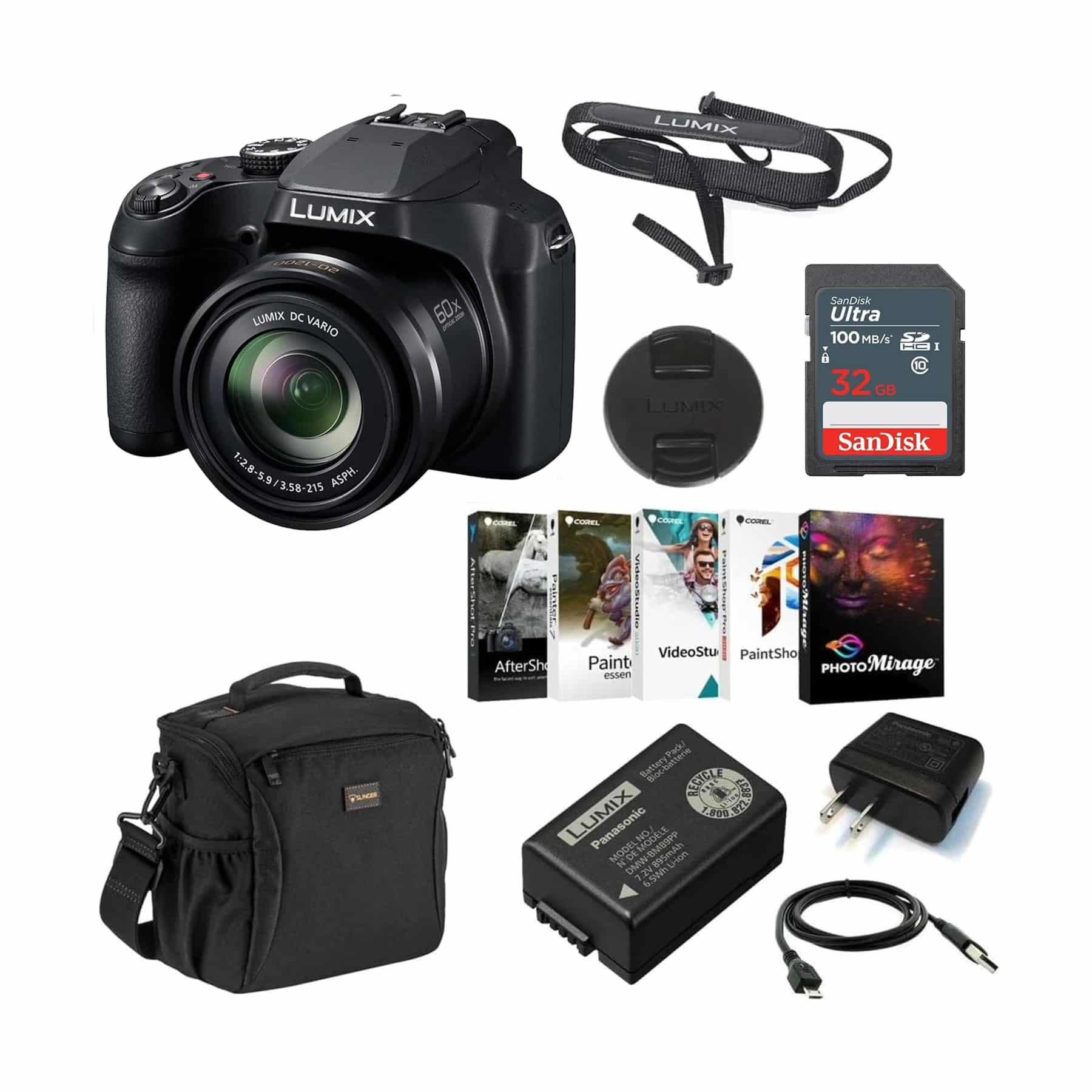
The Panasonic Lumix FZ80 earns its second-place position through an extraordinary 60X optical zoom that covers an incredible 20-1200mm equivalent focal range, eliminating the need for multiple expensive lenses. This all-in-one powerhouse targets beginners who want maximum versatility without the complexity of interchangeable lens systems, delivering sharp, detailed images across the entire impressive zoom spectrum.
This bridge camera excels with 4K video recording capabilities and innovative 4K Photo modes that allow extracting high-quality 8MP still images from video footage—a revolutionary feature for capturing perfect moments from fast-action sequences. The Post Focus function provides remarkable creative flexibility by enabling focus point adjustment after capture, essentially giving photographers a safety net against focusing errors that plague beginners.
The advanced POWER O.I.S. stabilization system effectively compensates for camera shake, proving especially valuable when shooting at maximum telephoto zoom where even slight movements would otherwise ruin images. The bright 2,360K-dot electronic viewfinder offers crystal-clear composition even in harsh sunlight conditions where LCD screens become difficult to see, providing a professional shooting experience that builds proper photography techniques.
While technically a bridge camera rather than a true DSLR, the Panasonic delivers DSLR-like handling with comprehensive manual controls that teach fundamental photography principles. The fixed 20-1200mm lens represents both the camera's greatest strength and limitation—offering unmatched convenience while sacrificing the ultimate image quality and low-light performance of larger interchangeable lens systems. For beginners prioritizing all-in-one versatility over absolute technical specifications, the FZ80 delivers exceptional value and eliminates lens-buying decisions that often overwhelm newcomers.
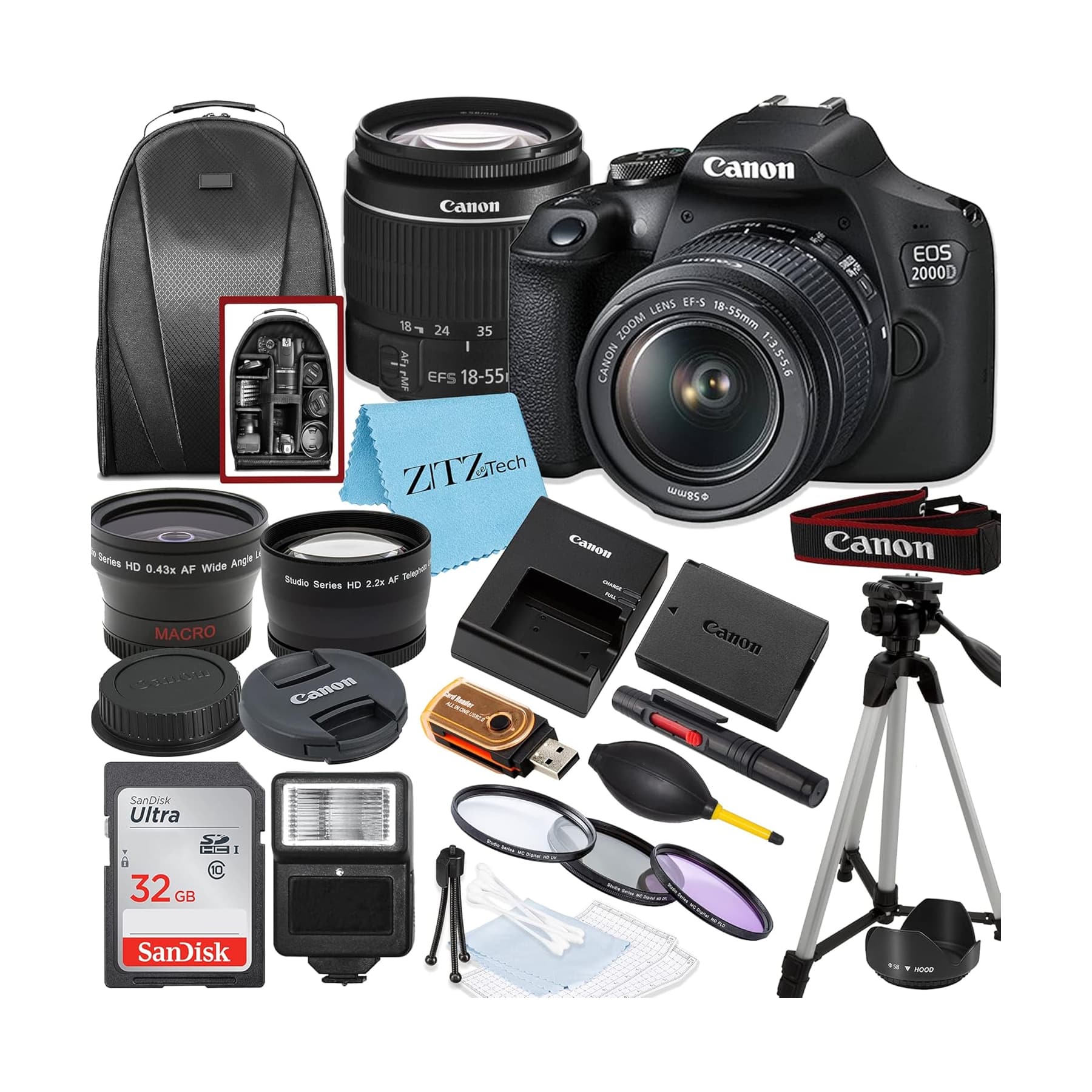
The Canon EOS Rebel T7 secures third place as a trusted entry point into the renowned Canon ecosystem, offering a proven 24.1MP APS-C sensor that produces excellent image quality with impressive dynamic range and natural color reproduction. The DIGIC 4+ image processor ensures responsive operation and efficient battery performance, while the camera's lightweight design and ergonomic grip make extended shooting sessions comfortable for beginners still developing their technique.
Beginners particularly appreciate the intuitive guided interface and feature guide mode that provides on-screen explanations of settings and shooting modes, effectively serving as a built-in photography tutor. The integrated WiFi and NFC connectivity simplifies photo sharing to smartphones and enables convenient remote camera control through Canon's Camera Connect app, though the connection process occasionally requires patience compared to more recent models.
The included 18-55mm kit lens covers versatile focal lengths suitable for portraits, landscapes, and everyday photography, providing an excellent starting point before investing in specialized glass. The optical viewfinder delivers the traditional DSLR shooting experience that many photographers prefer over electronic alternatives, while the 3-inch LCD screen offers live view composition for more casual shooting scenarios.
The 9-point autofocus system performs adequately for stationary subjects and casual action photography in good lighting conditions, though it shows limitations compared to more advanced systems when tracking fast-moving subjects or working in challenging light. While the Rebel T7 represents exceptional value for budget-conscious beginners seeking quality images without complexity, those able to stretch their budget slightly may find better long-term value in newer models with enhanced autofocus and video capabilities.
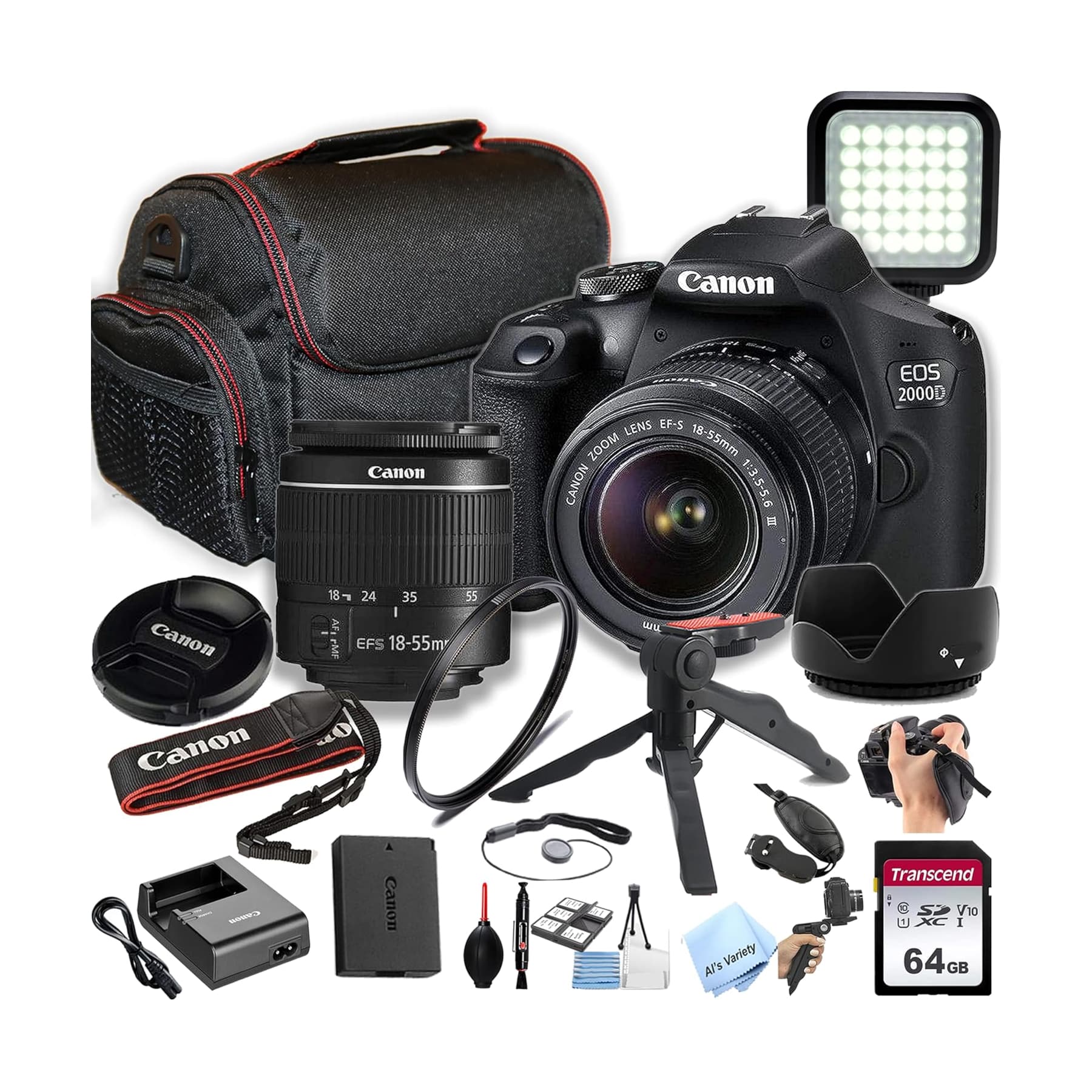
The Canon EOS 2000D claims fourth position as Canon's most budget-friendly DSLR option, sharing the same capable 24.1MP sensor as the Rebel T7 while featuring a more streamlined control layout and simplified feature set designed for absolute beginners. The familiar Canon menu system and interface make it immediately accessible to those intimidated by complex camera controls, though this simplification comes at the cost of some advanced customization options that growing photographers eventually desire.
While delivering respectable image quality through its APS-C sensor and DIGIC 4+ processor, the 2000D represents Canon's bare-minimum DSLR offering with adequate rather than exceptional performance across most categories. The included WiFi with NFC enables wireless photo transfer to smartphones, though users frequently report the connection process feels less intuitive and reliable compared to Canon's higher-tier models and competitor offerings.
The 9-point autofocus system performs satisfactorily in well-lit conditions with stationary or slowly moving subjects but struggles noticeably in low-light environments and when attempting to track faster action. Video capabilities remain limited to 1080p Full HD recording without advanced features like external microphone input, headphone monitoring, or clean HDMI output that content creators increasingly consider essential.
The predominantly plastic construction feels less substantial and premium compared to competitors at similar price points, raising concerns about long-term durability for photographers planning extensive use. As Canon's entry-level offering, the 2000D serves adequately for casual photographers with modest expectations, but spending slightly more for the Rebel T7 or considering the Nikon D3500 typically provides noticeably better value, performance, and long-term satisfaction for serious beginners committed to developing their photography skills.
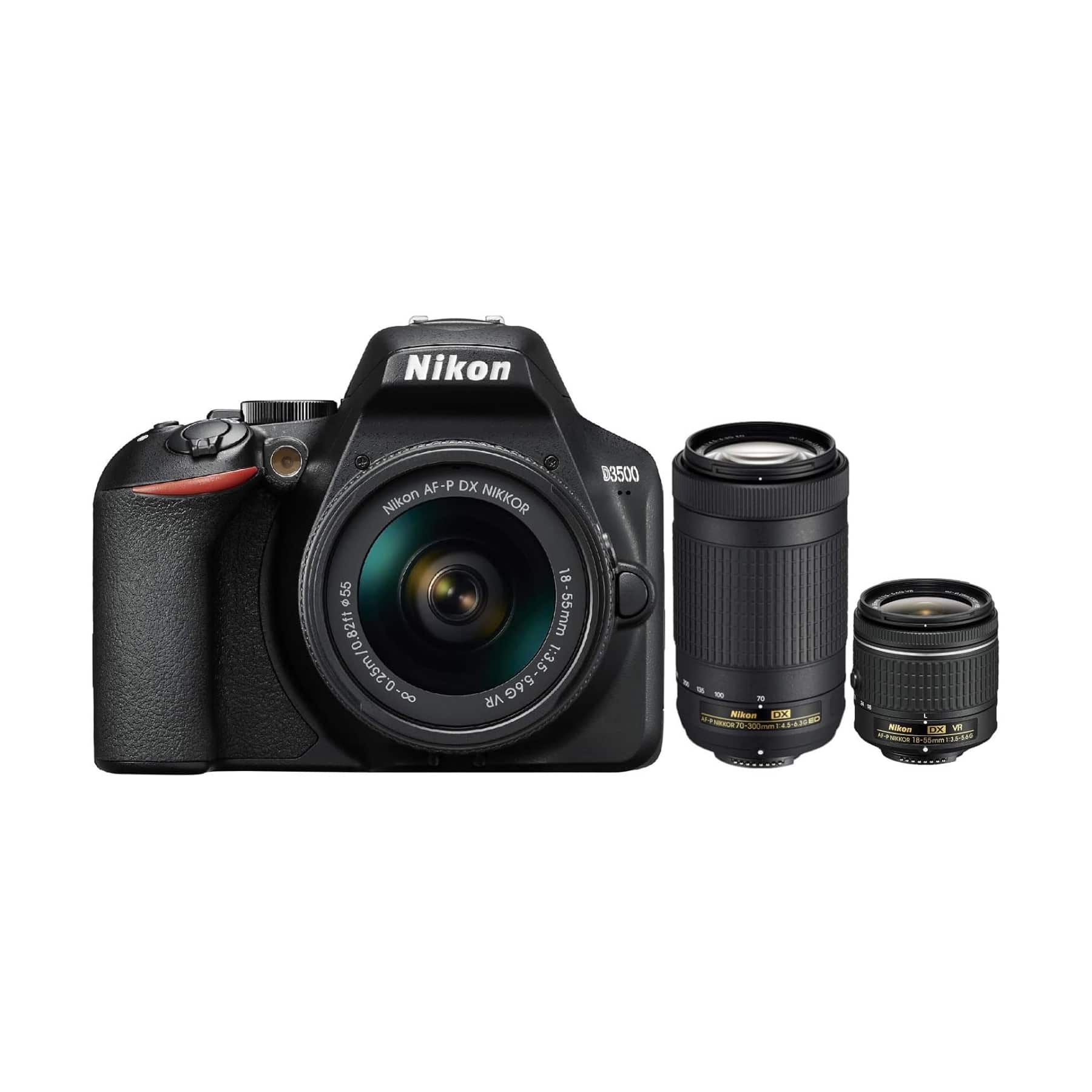
The Nikon D3500 rounds out our top five with a compelling combination of excellent image quality, exceptional user-friendliness, and outstanding battery efficiency that addresses one of beginners' most common frustrations. Its 24.2MP APS-C sensor produces images with impressive dynamic range, accurate color reproduction, and clean high-ISO performance that rivals cameras costing significantly more, making it an excellent choice for photographers prioritizing pure image quality over advanced features.
Nikon's innovative Guide Mode stands out as the most comprehensive in-camera tutorial system available, providing interactive step-by-step instructions that teach photography concepts while shooting rather than requiring separate study. The remarkably compact and lightweight body weighing just 415 grams makes the D3500 ideal for travel photography and all-day shooting sessions without the fatigue associated with heavier camera systems, particularly appealing to younger photographers and those with physical limitations.
The camera's extraordinary battery life delivering approximately 1,550 shots per charge dramatically outperforms competitors, eliminating the anxiety of running out of power during important events and reducing the need to purchase expensive spare batteries. The SnapBridge app enables automatic wireless photo transfer via constant Bluetooth connection, though users report the connection can be inconsistent and occasionally frustrating to maintain reliably.
The 11-point autofocus system provides adequate performance for everyday photography in good lighting but shows noticeable limitations when attempting to track moving subjects or working in dimmer conditions where more advanced systems excel. Video capabilities remain basic with 1080p recording and no advanced features like 4K resolution, external microphone input, or focus peaking that increasingly matter to content creators. For beginners prioritizing exceptional image quality, intuitive learning features, and worry-free battery performance over cutting-edge video capabilities, the D3500 remains a solid choice that helps photographers develop fundamental skills through its ergonomic design and thoughtful feature implementation.
Beginner professional cameras represent a specialized category of imaging devices designed to bridge the gap between basic point-and-shoot cameras or smartphones and fully professional equipment requiring extensive technical knowledge. These cameras combine advanced image sensors, manual control options, and professional-grade features with intuitive interfaces and guided modes that make them accessible to photographers just starting their creative journey.
Unlike entry-level compact cameras that prioritize simplicity over capability, beginner professional cameras provide room for skill development through features like interchangeable lenses, RAW file capture, manual exposure controls, and advanced autofocus systems. They typically feature larger APS-C or Micro Four Thirds sensors that deliver significantly better image quality, low-light performance, and creative control over depth of field compared to smartphone cameras.
The "beginner professional" designation indicates these cameras offer professional-quality results without requiring professional-level expertise to operate effectively. They include educational features like guided shooting modes, in-camera tutorials, and intuitive menu systems that teach photography fundamentals while producing excellent images from day one. This category encompasses both traditional DSLRs with optical viewfinders and mirrorless cameras with electronic viewfinders, as well as advanced bridge cameras with extensive zoom ranges.
Modern beginner professional cameras increasingly incorporate connectivity features like WiFi, Bluetooth, and smartphone apps that simplify photo sharing and remote control. They serve photographers transitioning from automatic modes to creative control, content creators seeking better video quality, and hobbyists wanting images worthy of printing and professional presentation without investing in complex, expensive equipment that exceeds their current skill level.
Owned by Elixovs Global Limited.
© 2024 TopRatedSelect. All rights reserved.
We do not personally test all products in a given category. Our opinions are based on comprehensive. We collect and analyze external tests, customer feedback, product specifications, and pricing information. Our goal is to provide you with a consolidated resource to inform your purchasing decisions.
While we strive to provide valuable information, we encourage readers to conduct additional research before making purchase decisions.